
Damp and mould investigation London
Damp patches and mould often return when only the surface is cleaned. We investigate where the moisture comes from, check for hidden plumbing leaks and explain what needs to happen next.





What we do
Tell us about the job so we can check the scope and the next step.
- Investigation for damp patches, mould and recurring moisture
- Checks for hidden plumbing and heating leaks
- Thermal imaging and moisture readings where suitable
- Clear findings and recommended next steps
- For homeowners, landlords and property managers
Damp and mould investigation in London
Damp and mould are signs of excess moisture, but the source is not always obvious. A plumbing leak, rain entering through the building, condensation, poor ventilation or a combination of issues can produce similar marks. The right repair depends on finding the cause first.
We start with the affected rooms and the history of the problem. We inspect visible damage, nearby plumbing and heating pipework, and use non-destructive leak detection methods where they can help. If we find a plumbing leak, we mark the source and explain the repair options.
Government guidance says that visible mould should not be treated as the whole problem. The underlying source of moisture must also be found and fixed, or mould can return. Cleaning, decoration or mould treatment should follow the correct repair and adequate drying.
The investigation is separate from mould removal, building repairs and specialist damp-proofing. Once the cause is clear, we will explain which trade or treatment the property needs. This avoids paying for work that does not address the source.
Find the moisture source before treating the stain
Mould and staining show that moisture has accumulated, not why it is there. A concealed water or heating leak, rain penetration, condensation on a cold surface and poor ventilation can leave similar marks. More than one cause may be present. We ask when the patch appears, whether it follows rain or heating use and whether it changes between seasons.
Cleaning a visible patch without addressing the moisture can allow it to return. We examine the affected area and accessible nearby plumbing, then decide whether a leak investigation is justified. A cold corner with surface condensation needs a different response from a wet pipe behind a wall; neither should be diagnosed from a photograph alone.
What the investigation can establish
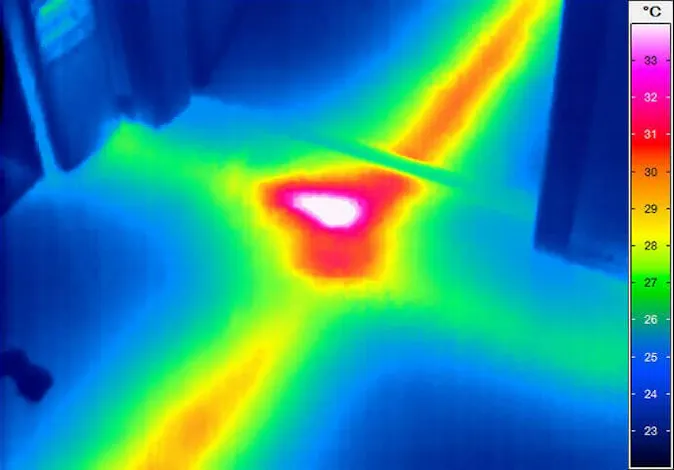
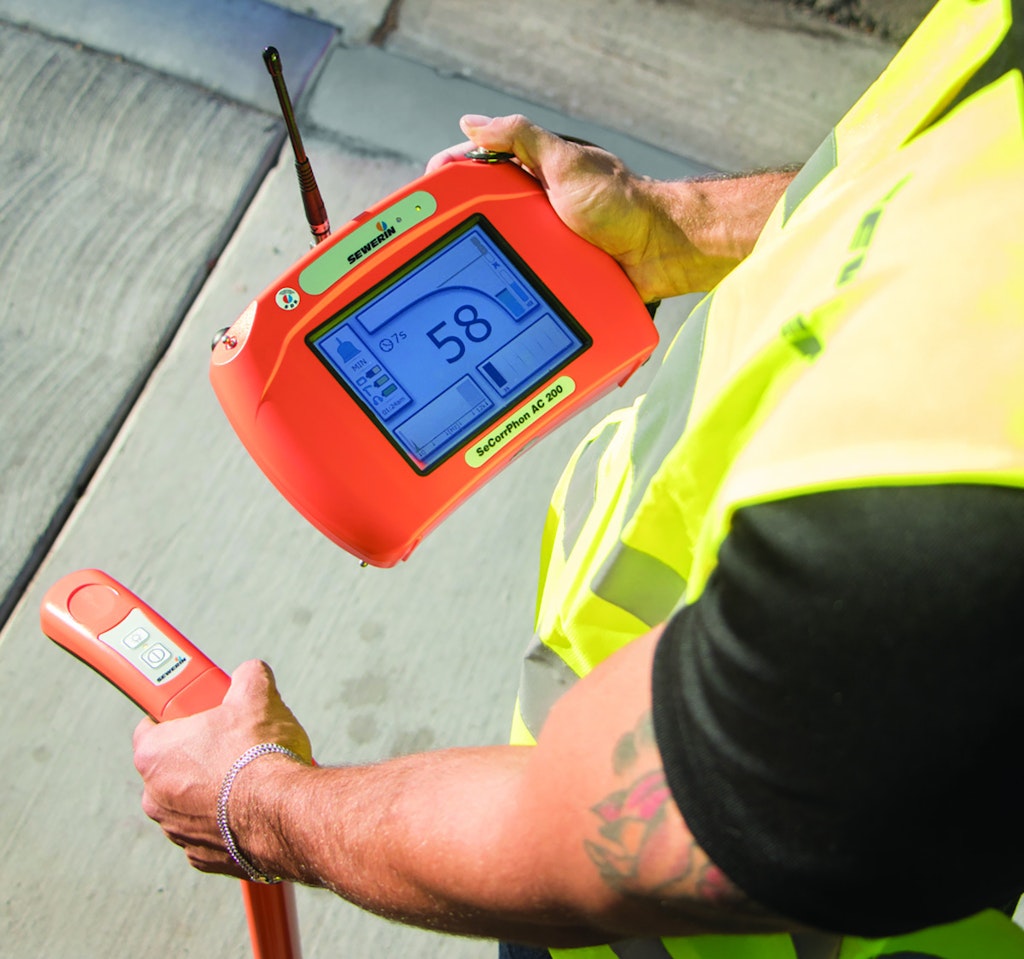
The visit can include a visual inspection, moisture readings and thermal imaging where surface conditions make them useful. Readings help compare affected and less-affected areas; they do not identify a precise leak by themselves. Where plumbing or heating is suspected, we consider appropriate pipe tests and the available access before recommending any opening-up.
A thermal pattern may reflect insulation, airflow or a cold bridge rather than leaking water. We compare observations with the history of the building and the location of services. If the evidence instead points to a roof, façade, ventilation or another building defect, we explain that a relevant building specialist may be needed rather than sell a pipe-leak test that cannot answer the question.
Next steps after the cause is clearer
If a plumbing leak is indicated, we can discuss how to confirm and access it and quote separately for a suitable repair. Moisture may remain in plaster or flooring after the water source is stopped, so drying and any reinstatement should be planned around the condition of the materials. A fresh coat of paint is not a substitute for fixing the underlying cause.
This is an investigation service, not a promise of mould removal, structural drying or specialist damp-proofing. We distinguish the findings from any treatment that might be required afterwards. Where the cause cannot be established from the accessible areas, we set out the uncertainty and the further inspection or specialist advice that would be useful.
Information to send before an assessment
Photograph the whole wall or ceiling as well as the close-up mark, and note whether the room is a kitchen, bathroom, bedroom or space below a roof. Tell us about recent leaks, repairs, changes to ventilation and when the staining grows. This helps us decide whether the first visit should focus on water services or a wider building issue.
If mould is extensive or anyone in the home has symptoms or a health concern, seek appropriate health and housing advice promptly; do not wait for a leak survey to resolve an immediate concern. Keep the affected area safely accessible for inspection, without disturbing materials that could present a hazard. We will confirm the proposed scope before arranging a visit.
Damp and mould investigation prices
Prices exclude VAT.
Domestic Leak Detection Survey
£650
Book
The leak detection survey price applies when a hidden plumbing or heating leak is suspected. Other damp investigations are quoted after we review the property details.
Frequently asked questions
What can cause damp and mould?
Common causes include hidden plumbing leaks, rain entering the building, condensation, inadequate ventilation and cold surfaces. More than one cause can be present.
Can you check for a hidden leak?
Yes. Where a plumbing or heating leak is suspected, we can use thermal imaging, acoustic testing or tracer gas as needed to locate it without unnecessary damage.
Do you remove mould?
This page covers investigation and finding the moisture source. Any mould treatment, drying or building repair is considered separately once the cause and scope are clear.
Is the investigation suitable for landlords?
Yes. We work with landlords and property managers as well as homeowners. Send photographs and a short history through the quote form so we can advise on the right first visit.
Should I clean the mould before the visit?
If it is safe to leave the area undisturbed, photographs and visible patterns can help the investigation. Act promptly if anyone in the property has health concerns, and follow current government health guidance.
Does black mould mean there is a hidden pipe leak?
No. Condensation, rain penetration and plumbing leaks can all contribute. The position, history and moisture pattern need assessment before selecting a test.
Can thermal imaging diagnose the cause of damp on its own?
No. It shows surface temperature differences, which can have several causes. We compare it with inspection, moisture readings and the building history.
Do you remove mould or dry out the property?
This service investigates the moisture source. Mould treatment, structural drying and specialist damp-proofing are separate scopes and are not promised by an investigation.
Should I repaint the stained wall now?
It is usually better to establish and address the source first, then allow affected materials to dry and assess any repairs before redecorating.
What if the damp only appears after rain?
Tell us when it occurs and which external surfaces are nearby. Rain-related defects may call for roof or building-fabric assessment rather than a plumbing-leak survey.
Areas we cover
Ready to book?
Send us the job details for a quote or call to discuss the next step.